Artificial intelligence has moved from a specialist technical topic to something that touches tax compliance, marketing, road safety, and the personal assistant most people carry in their pocket. This hub brings together our complete coverage of AI in the UK, from business governance and compliance to everyday consumer tools, organised so you can find the specific area relevant to you, whether that’s understanding a regulatory change affecting your business or simply choosing between two apps on your phone.
AI in UK Business and Compliance
AI is increasingly shaping how UK businesses interact with regulators, from HMRC’s automated risk scoring on R&D tax claims to the governance policies businesses now need around staff AI use. This is one of the fastest moving areas we cover, since both the technology and the regulatory response to it are still evolving.
- AI and HMRC R&D Tax Claims: What UK Businesses Need to Know. How automated risk scoring affects claims, and how to build one that holds up to scrutiny.
- AI Consulting and Governance: A Practical Guide for UK Small Businesses. What a consulting engagement involves, and what a basic AI policy should cover.
Regulation of AI-Enabled and Connected Products
A new UK law is reshaping how AI-enabled and connected products are regulated for safety, with implications for manufacturers, importers, and online marketplaces alike.
- The Product Regulation and Metrology Act 2025: What It Means for UK AI and Connected Product Businesses. The new law reshaping safety rules for AI-enabled and connected products.
AI in Marketing and Client Services
AI-first agencies are changing how marketing gets delivered, from content production at scale to a growing focus on AI search visibility, sometimes called answer engine optimisation, which is reshaping how agencies pitch their services to UK businesses.
- AI Marketing Agencies: What UK Businesses Should Know Before Hiring One. How AI-first agencies differ from traditional ones, and how to evaluate one.
AI Tools for Everyday and Personal Use
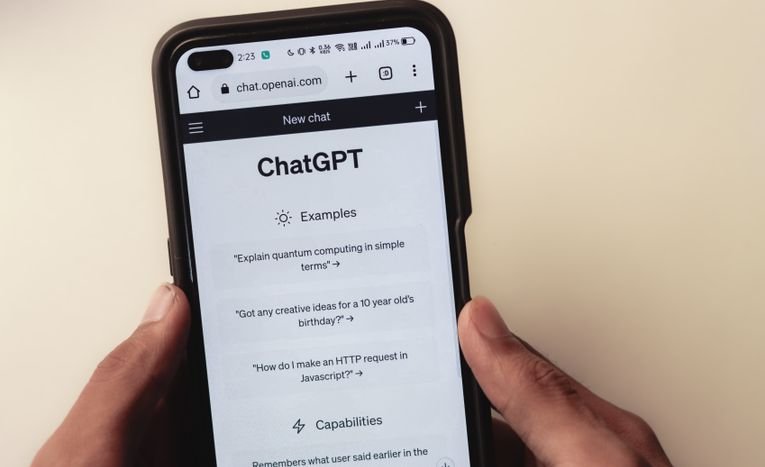
Beyond the workplace, AI assistants are now built directly into the apps most people already use every day, from messaging platforms to dedicated chat tools, often without users making an active decision to adopt them at all.
- ChatGPT vs Meta AI: Which Personal AI Assistant Should You Use?. A direct comparison to help you choose based on your actual use case.
AI in Public Life and Infrastructure
AI is also being deployed in UK public infrastructure, most visibly in road safety enforcement, where AI enabled cameras now detect a far wider range of offences than traditional speed cameras, including mobile phone use and seatbelt non-compliance alongside speed.
- AI Speed Cameras in the UK: How They Work and What Drivers Should Know. How AI enabled traffic cameras work and where they’ve been deployed.
The Common Thread Across These Areas
Whether it’s a tax authority flagging a claim for review, a marketing agency generating content at scale, or a personal assistant answering a quick question, the same underlying AI capability, pattern recognition and language generation, is being applied to very different problems. Understanding how the technology actually works in one context makes it considerably easier to evaluate claims about it in another, which is why we cover both the practical business applications and the underlying mechanics across this hub. This also explains why concerns like data privacy, accuracy, and accountability keep recurring across otherwise unrelated topics, from tax compliance to road safety cameras.
For a deeper look at how large language models work under the hood, see our guide to how large language models actually work. We’ll continue to expand this hub as AI adoption and regulation in the UK keeps developing.