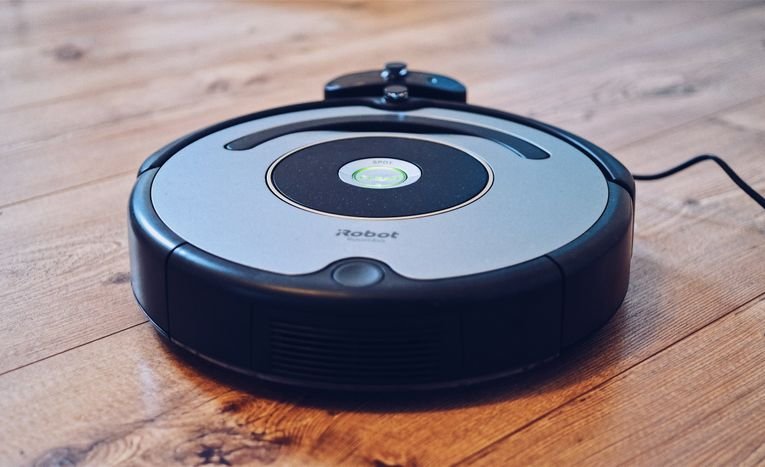
Robot vacuums and robot lawn mowers both run on lithium-ion batteries, and while fires from these devices are genuinely rare, UK fire services have reported a steady rise in lithium battery related incidents across household devices in recent years. A defective battery, a damaged charger, or an unattended overnight charge are the most common causes, and the risk is real enough that London Fire Brigade and other UK services now issue specific guidance on charging habits for battery powered appliances. Understanding what actually causes these incidents, and the small number of habits that meaningfully reduce risk, matters more than the rare headline suggests.
UK fire services have documented a clear year on year increase in lithium battery related fires across household devices, from e-bikes to vacuum cleaners, driven by the growing number of battery powered appliances in ordinary homes. This guide brings together the official safety guidance relevant to robot vacuums and robot mowers specifically, since both devices share the same underlying battery risks despite serving very different purposes.
Why Lithium-Ion Batteries Can Pose a Fire Risk
Lithium-ion batteries store a large amount of energy in a small space, which is exactly what makes them practical for cordless devices, but the same property means a fault can release that energy very quickly. Overcharging, physical damage, poor quality manufacturing, or using an incompatible charger can cause a battery cell to overheat, a process sometimes called thermal runaway, which can escalate into a fire with very little warning. Robot vacuums and robot mowers both spend long unsupervised periods charging or docked, which is precisely the scenario UK fire services flag as highest risk for any lithium battery device.
What Actually Increases Risk
| Risk Factor | Why It Matters |
|---|---|
| Damaged or swollen battery | A visibly swollen or physically damaged battery is a strong warning sign of internal cell failure |
| Non-original or third-party charger | Chargers not designed for the specific device can deliver incorrect voltage or lack proper safety cut-offs |
| Charging near flammable materials | A charging dock placed on carpet, near curtains, or in a cluttered area increases the consequences if a fault occurs |
| Extreme heat exposure | Leaving a robot mower charging in direct summer sun, or a robot vacuum dock near a radiator, adds thermal stress to the battery |
| Age and battery health | Older batteries nearing end of life are statistically more prone to internal faults than newer ones |
Practical Safety Steps for Robot Vacuums and Mowers
- Use only the manufacturer’s charger and dock. Third-party or mismatched chargers are one of the most commonly cited causes in reported battery incidents.
- Position the charging dock away from flammable materials. A hard, non-combustible surface away from curtains, bedding, or piled paper reduces the consequences of a fault.
- Avoid charging in direct sun or near heat sources. This applies particularly to robot mowers, whose docking stations are often outdoors and exposed to summer heat.
- Inspect the battery periodically for swelling or damage. A swollen battery casing, unusual heat during charging, or a device that struggles to hold charge are all signs to stop use and contact the manufacturer.
- Avoid charging unattended overnight where practical. UK fire services specifically flag overnight, unsupervised charging as a higher risk window, since a developing fault has longer to escalate before anyone notices.
- Register the product and keep firmware updated. Registration ensures you receive any safety recalls, and some manufacturers issue firmware updates that improve battery management.
What to Do If You Suspect a Battery Fault
- Stop using the device immediately if you notice swelling, an unusual smell, excessive heat, or visible damage to the battery casing.
- Do not attempt to charge, use, or dispose of a suspected faulty battery in normal household waste.
- Move the device to a safe, non-flammable location away from the home if a battery is actively swelling or smoking, and contact emergency services if there is any sign of fire.
- Contact the manufacturer directly with the model and batch details to check for a known fault or recall.
- Dispose of the battery through a proper recycling facility once confirmed safe to move, never in general waste.
Expert Insight
Fire safety officers who track battery related incidents consistently note that the overwhelming majority of cases involve either a damaged battery that should have been retired, or a non-original charger being used as a replacement, rather than a fault with a properly maintained, manufacturer-charged device. The practical takeaway is that basic charging discipline, using the right charger, checking for damage, and avoiding unattended overnight charging in cluttered spaces, addresses most of the real world risk.
Frequently Asked Questions
Are robot vacuum and robot mower battery fires common?
They remain rare relative to the number of devices in use, but UK fire services have reported a genuine year on year rise in lithium battery incidents across household devices generally, which is why basic precautions are worth taking seriously.
Is it safe to leave a robot vacuum charging overnight?
Most manufacturers design docks to safely trickle charge once full, but UK fire safety guidance generally recommends charging battery devices while someone is present or awake where practical, particularly for older devices.
Can I use a third-party charger for my robot mower or vacuum?
This is not recommended; using the manufacturer’s original charger and dock significantly reduces the risk of incorrect voltage or missing safety cut-off features.
How do I know if my device’s battery needs replacing?
Warning signs include visible swelling, the device struggling to hold charge, unusual heat during charging, or a noticeable drop in run time, any of which warrant contacting the manufacturer.
What should I do with an old or faulty robot vacuum or mower battery?
Never dispose of lithium-ion batteries in household waste; take them to a designated battery recycling point or an electronics recycling facility, and handle any visibly damaged battery with particular care during transport.
Final Thoughts
Lithium battery fires involving robot vacuums and mowers are genuinely rare, but the consequences are serious enough that the basic precautions, original chargers, sensible dock placement, and periodic battery checks, are worth building into normal use rather than an afterthought. For related reading on choosing a robot vacuum or mower with these considerations in mind, see our guides to robot vacuum cleaners and robot lawn mowers.
For official UK guidance on lithium battery safety, see the London Fire Brigade’s lithium battery safety advice.