Are Self-Emptying Robot Vacuums Worth It in the UK?
Yes, a self-emptying robot vacuum is worth it if you have pets, allergies or a large home and you hate emptying a small dustbin every day. It is not worth it in a small flat, where the bin only fills once a week anyway. The dock adds roughly £150 to £300 to the price, plus about £30 to £60 a year for bags. This guide does the full three-year maths, so you can decide with numbers instead of marketing.
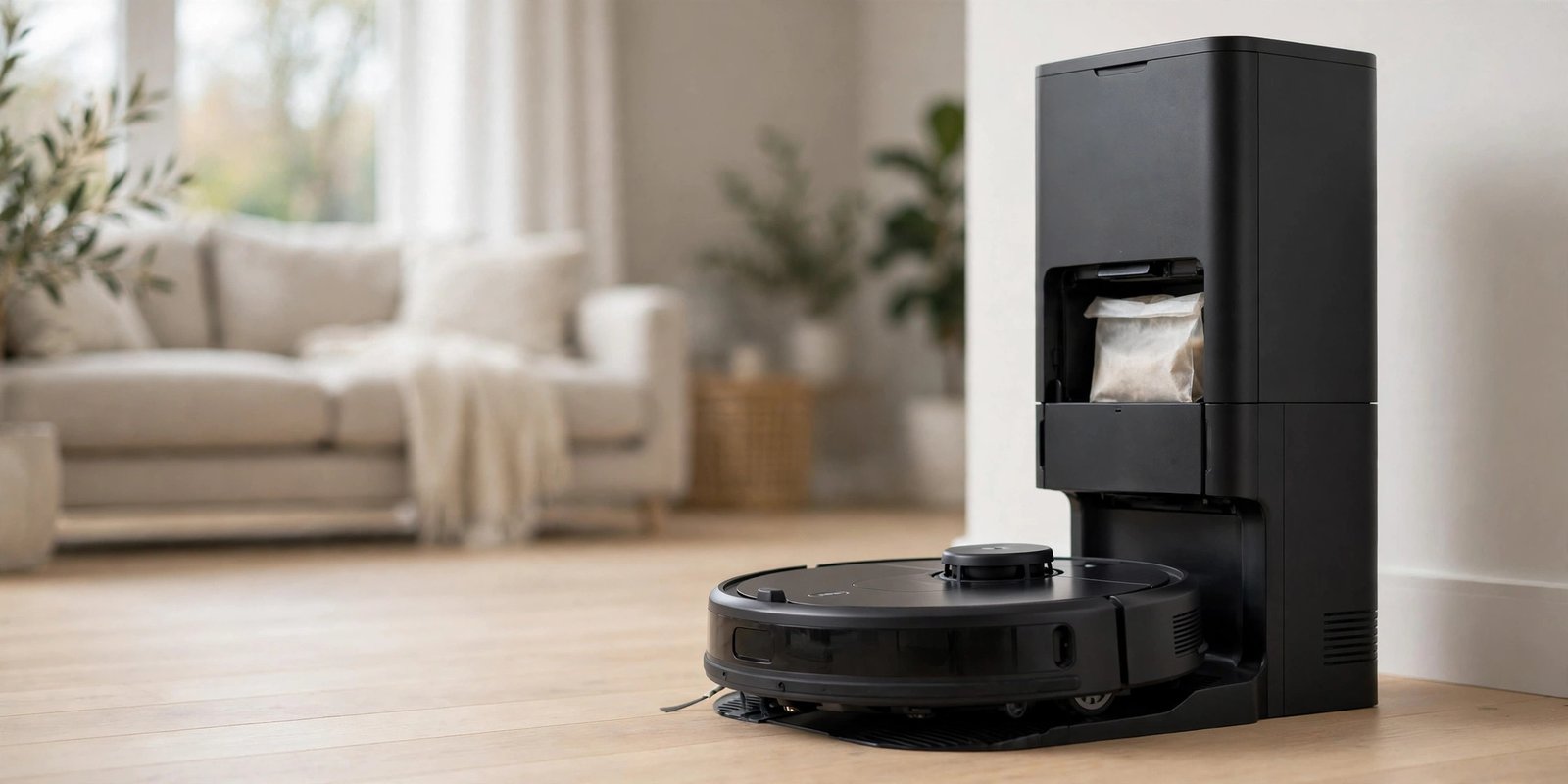
A self-emptying robot vacuum is a normal robot vacuum with a bigger home base. After every clean, the robot parks on its dock. The dock uses strong suction to pull the dust and hair out of the robot’s small onboard bin and into a much larger bag or bin inside the dock. You empty that dock bag once every 30 to 60 days instead of emptying the robot after every run.
That is the whole idea. The question is whether the convenience is worth the extra money, the extra noise, the extra floor space and the ongoing bag cost. The honest answer depends on your home, not on the robot.
How a self-emptying dock actually works
The dock has a larger dust bag or a bagless bin, plus a powerful suction motor. When the robot returns, the dock seals against the robot’s dustbin opening and vacuums the contents out. The process takes 10 to 15 seconds. It is loud, about 70 to 80 decibels, which is roughly as loud as a normal upright vacuum.
Most docks use disposable bags. A bag holds 30 to 60 days of debris, depending on the size of your home and how often the robot runs. Sealed bags are good news for allergy sufferers, because dust stays trapped inside the bag instead of puffing back into the room when you empty it.
A few models use a bagless dock bin instead. You tip the bin into your outside bin when it is full. It costs nothing in bags, but you breathe in the dust you tip out, so it suits homes without allergy problems.
Some premium docks do more than empty the bin. All-in-one docks also wash and dry the mop pads and refill the water tank. These are sometimes called Omni or Ultra docks. They cost more, and they make sense only if you actually use the mopping function.
The real cost: what you pay over three years
The price gap is the first thing to check. UK buying guides put the self-emptying premium at £150 to £300 over an equivalent robot without a dock. That gap has shrunk fast. A capable self-emptying model now costs less than £200, while the same robot without the dock might cost £100 to £150 less.
Bags are the running cost. A single dock bag costs roughly £5 to £10. A pack of three to six bags costs roughly £15 to £25. If you change the bag every 45 days, you use about eight bags a year. At £5 a bag, that is £40 a year. Over three years, that is £120.
Here is the worked example. Take a mid-range robot that costs £250 without a dock. Add a £200 dock premium and the self-emptying version costs £450. Add three years of bags at £40 a year and the three-year total is £570. The standard version costs £250 over the same period, because it has no bags to buy. The difference is £320 over three years, or about £107 a year.
That £107 a year buys you freedom from emptying the bin. If you run the robot four times a week and empty the bin each time, that is about 200 empties a year you no longer do. If you run it once a week in a small flat, it is only about 50 empties a year. The maths only works when the robot runs often.
Generic third-party bags cost less than the branded ones, but some manufacturers warn that they may affect suction or void the warranty. Check the warranty wording before you switch. A bagless dock removes this cost completely, so it is worth considering if the yearly bag bill puts you off.
Who should buy one
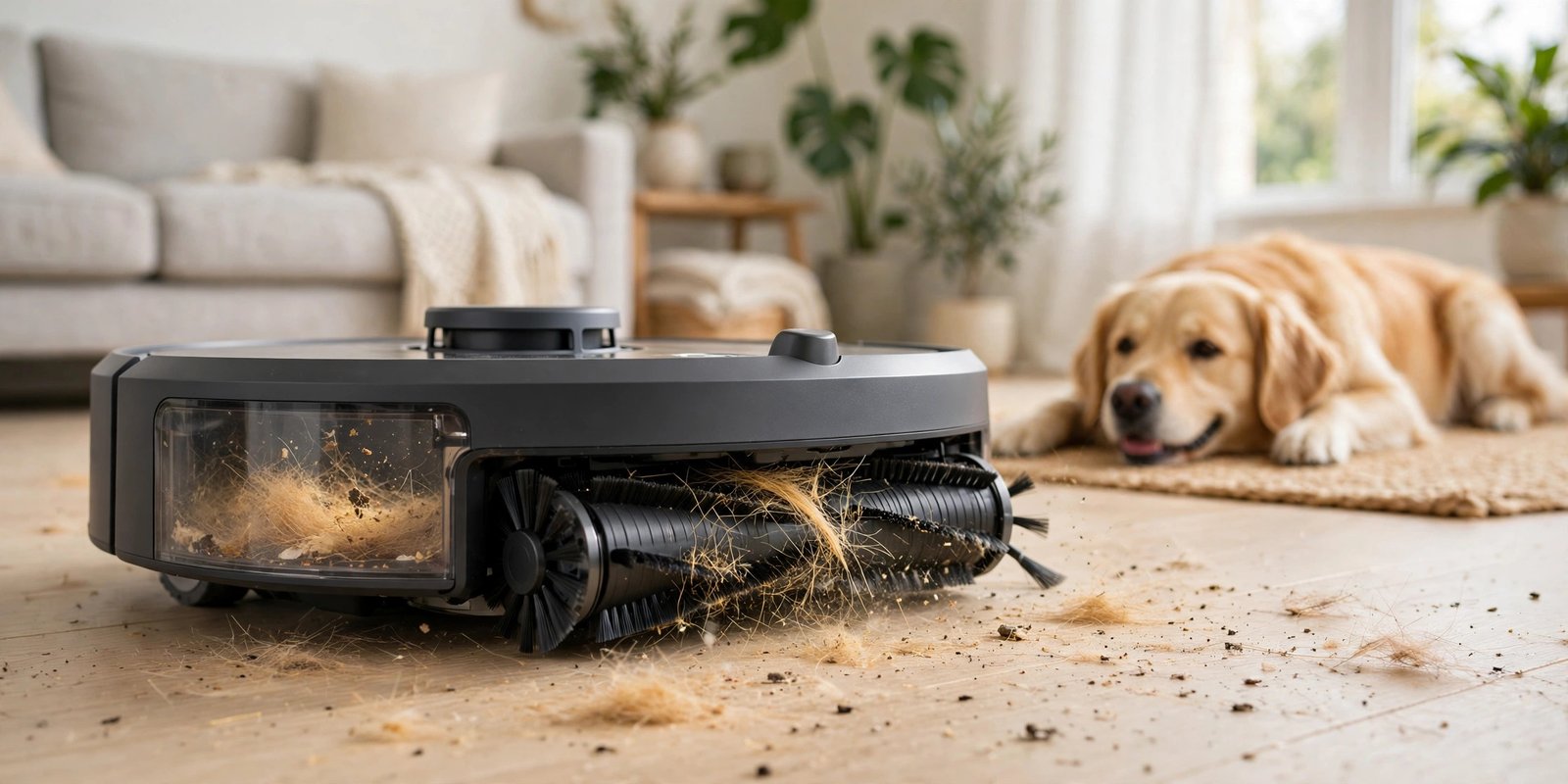
Pet homes benefit most. A shedding dog or a moulting cat can fill a robot’s small onboard bin in a single room. When the bin is full, the robot keeps moving but picks up nothing. A self-emptying dock solves this, because the robot empties itself mid-clean and carries on. If you are choosing for a pet home, read our guide to the best robot vacuum for pet hair in the UK first, then decide on the dock.
Allergy sufferers benefit too. The sealed bag in the dock traps dust, pollen and pet dander. You handle the dust once every month or two, inside a sealed bag, instead of shaking a small bin into your kitchen bin every day. Look for a dock with a HEPA-rated bag if allergies are your main reason for buying.
Large homes are the third clear case. A robot cleaning three bedrooms and two living rooms over several runs will fill its bin many times. Without a dock, you have to be home to empty it. With a dock, the robot manages itself while you are out. The same logic applies to busy households that run the robot daily.
People with limited mobility should also consider one. Emptying a small bin means bending down, tapping it out and cleaning the filter by hand. Doing that once every six weeks instead of every day is a real quality of life difference.
Who should skip it
Small flats are the clearest skip. A robot cleaning a one-bedroom flat might run for 20 minutes and fill a quarter of its bin. Emptying it once a week takes 30 seconds. Paying £200 extra plus yearly bags for that is hard to justify. Spend the money on better suction or a tangle-free brush instead.
Tight budgets are the second skip. If £200 is the difference between a good robot and a great one, put it into the robot itself. A £450 self-emptying robot with weak navigation cleans worse than a £250 standard robot with LiDAR mapping. The dock does not clean your floor. The robot does.
Noise-sensitive homes should think twice. The dock empties with a loud burst of suction, 70 to 80 decibels for 10 to 15 seconds. If the dock sits next to a bedroom or a home office, that burst will interrupt sleep or calls. You can schedule cleaning for when you are out, but the emptying still happens when the robot returns.
Finally, skip it if you never run the robot. A self-emptying dock helps a robot you use four or five times a week. If you only run yours on Sundays, the bin never fills between empties anyway. Fix the habit first, then upgrade the dock.
The downsides nobody mentions
The dock is big. A standard charging dock is about the size of a shoebox. A self-emptying dock is closer to a small kitchen bin, and an all-in-one dock with mop washing is bigger still. Measure the space beside the skirting board before you buy. It also needs clearance above and to the sides so the robot can dock cleanly.
Damp debris can clog the dock. The suction transfer works well with dry dust and hair. Wet food, damp leaves tracked in from the garden, or a mop that has soaked up a spill can block the dock’s suction channel. If that happens, you clean the dock by hand, which is the job you bought it to avoid.
The dock needs its own maintenance. Filters in the dock, the suction channel and the bag seal all need an occasional check. It is much less work than emptying a robot bin daily, but it is not zero work. Budget a five-minute check once a month.
There is also the question of what happens when the model is discontinued. Dock bags are model-specific. If the manufacturer stops making bags for your model in three years, your dock becomes a large charging station. Buying a popular model from a big brand reduces this risk, because third-party bag makers follow the popular models.
Bagged vs bagless docks: which is better
Bagged docks are the most common. The bag seals dust inside, holds 30 to 60 days of debris, and you throw the whole sealed bag away. They cost £30 to £60 a year in bags, but they are the cleanest option and the best choice for allergy homes.
Bagless docks cost nothing to run. You open the bin and tip it out. The downside is the dust cloud when you tip it, and the need to wash the bin occasionally. They suit homes without allergies where the owner does not mind a little dust.
If you are torn, choose bagged. The yearly bag cost is small next to the price of the robot, and the sealed system is the main hygiene benefit of the whole setup. A bagless dock saves money but gives up the one feature that makes self-emptying genuinely better for your air.
How to choose one: a quick checklist
Start with the robot, not the dock. Check suction, navigation and the brush roll first. A self-emptying dock on a robot that gets stuck under the sofa is money wasted. Our robot vacuum buying guide covers the basics to check before you look at docks at all.
Then check the bag. Find the price of a replacement pack before you buy the robot. If the bags cost £10 each and last 30 days, that is £120 a year. If they cost £5 each and last 60 days, that is £30 a year. The same robot can cost four times as much to run depending on the bag.
Check the dock size against your space. Measure the spot where it will live. Leave at least 50 cm clear in front so the robot can dock without bumping furniture.
Decide whether you need mop washing. If you mop with the robot, an all-in-one dock that washes the pads is genuinely useful. If you never mop, do not pay for it. A plain self-emptying dock is cheaper and smaller. Our guide to robot vacuum and mop combos explains when the mop function is worth having.
Finally, check current UK prices, because they move fast. As a rough guide at the time of writing, budget self-emptying models such as the Roborock Q5 Max Plus sit around £220 to £300, mid-range models such as the eufy L60 sit around £300 to £380, and premium all-in-one models such as the eufy X10 Pro Omni or Dreame L40 Ultra sit around £520 to £900. Always confirm the price before you buy, because discounts of £100 or more are common.
Frequently asked questions
How often do you need to replace the dock bag?
Every 30 to 60 days in a typical home. Pet homes and large homes change bags closer to every 30 days. Small flats can stretch to 60 days or more. The app usually tells you when the bag is full.
Do self-emptying robot vacuums work with pet hair?
Yes, and pet homes are where they help most. The dock empties the robot’s bin between runs, so a full bin never stops the clean halfway through. Just make sure the robot itself has a tangle-free brush roll, because the dock cannot fix a brush clogged with hair.
Are bagless self-emptying docks better than bagged ones?
Bagless docks cost nothing to run, which saves £30 to £60 a year. Bagged docks are cleaner and better for allergies, because the dust stays sealed inside the bag. For allergy homes, bagged wins. For everyone else, it is a matter of whether you mind tipping dust out by hand.
Can I use a self-emptying robot vacuum in a small flat?
You can, but it is rarely worth the money. The bin fills slowly in a small flat, so you only save a 30-second empty once a week. A cheaper standard robot with the same suction and navigation will clean just as well.
Is the emptying noise a problem?
The dock empties at about 70 to 80 decibels for 10 to 15 seconds, which is as loud as a normal vacuum. It is brief, but it will wake a sleeping baby or interrupt a call. Schedule cleaning for when you are out, or put the dock in a hallway away from bedrooms.
Conclusion
A self-emptying robot vacuum is worth it when the robot runs often and the bin fills fast. That means pet homes, allergy sufferers, large homes and anyone who runs the robot daily. In those homes, the dock premium of £150 to £300 plus about £40 a year for bags buys real convenience and cleaner air.
It is not worth it in a small flat, on a tight budget, or if you only run the robot once a week. In those cases, spend the same money on a better robot with stronger suction and smarter navigation. The dock is a convenience, not a cleaner. Buy the robot first, and add the dock only when your home gives it enough work to do.