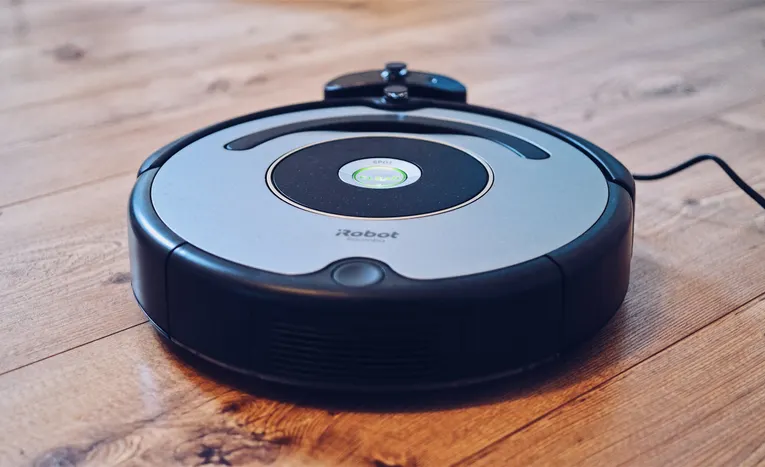
A robot vacuum only picks up dust and debris. A robot vacuum and mop combo does that too, then wipes hard floors with a damp pad afterwards. The right choice depends on your flooring. Homes with mostly carpet rarely need the mop function. Homes with a lot of hard flooring, tile, or sealed wood often do. This guide compares both options directly, so you can pick the one that actually suits your home.
What a Combo Device Actually Adds
A combo robot typically carries a water tank alongside its dustbin. After vacuuming a room, it wets a microfibre pad and wipes the floor in the same pass, or in a separate pass afterwards. Premium models lift the mop pad automatically when they detect carpet. This stops them from dragging a wet pad across soft flooring. Cheaper combo models often lack this feature. That means you need to manually confirm no-mop zones around any rugs.
Vacuum Only vs Vacuum and Mop Combo
| Feature | Vacuum Only | Vacuum and Mop Combo |
|---|---|---|
| Best for | Carpet and rug heavy homes | Hard floors, tile, sealed wood |
| Typical UK price | £150 to £500 | £350 to £1,200 |
| Maintenance | Empty bin, clean brush roll | Also refill water tank, clean mop pads regularly |
| Suction strength for deep carpet | Generally stronger for the price | Can match vacuum-only models at the premium tier |
Questions to Ask Before Buying a Combo
- Does it lift the mop pad on carpet automatically? Without this, mopping mode is only safe on fully hard-floored homes.
- How does it clean the mop pad between rooms? Some self-emptying docks also wash and dry the pad. Others need you to swap it manually.
- What’s the water tank capacity? A small tank means frequent refills on larger homes.
- Does mopping mode reduce vacuum suction? Some combo units trade off suction power when running both functions together.
When a Combo Is Worth the Extra Cost
Open plan kitchens and hallways with heavy foot traffic benefit most from a combo unit. Muddy footprints and spills happen often in these spaces. A vacuum-only robot leaves that mess for you to mop by hand. For homes that are mostly carpeted, the mop function adds cost without much practical benefit. In that case, a dedicated vacuum-only model with strong suction is usually the better buy.
Getting the Best Results From a Combo Robot
- Set no-mop zones around rugs manually if your model doesn’t lift the pad automatically.
- Refill the water tank before starting a full-home clean, not partway through.
- Wash mop pads after each use, or use a self-washing dock if the model supports it.
- Avoid mopping mode on unsealed wood floors, since standing water can damage the finish.
Expert Insight
Cleaning product reviewers consistently note that combo robots rarely mop as well as a dedicated mop, since the pad moves in a single pass rather than the back-and-forth scrubbing a person would do by hand. The value is convenience, not deep cleaning. For stuck-on marks, a manual mop still outperforms any robot combo. For routine daily upkeep of already-tidy floors, the combo saves real time.
Frequently Asked Questions
Can a robot vacuum and mop combo replace deep cleaning?
No. It handles routine daily maintenance well but does not replace an occasional deep clean for stuck-on dirt or heavily soiled floors.
Will a combo robot damage wood flooring?
Sealed wood floors are generally safe with light mopping. Unsealed or older wood floors are at higher risk from standing moisture, so check your specific floor type first.
Is it worth buying a combo if I have both carpet and hard floors?
Yes, provided the model automatically lifts its mop pad on carpet. Without that feature, you’ll need to manage no-mop zones manually.
Final Thoughts
A robot vacuum and mop combo earns its higher price in homes with real hard floor coverage and everyday spills to manage. For mostly carpeted UK homes, a dedicated vacuum-only model remains the smarter buy. For our full buying guide, see robot vacuum cleaners, and for our complete robotics coverage, see the robotics hub.