
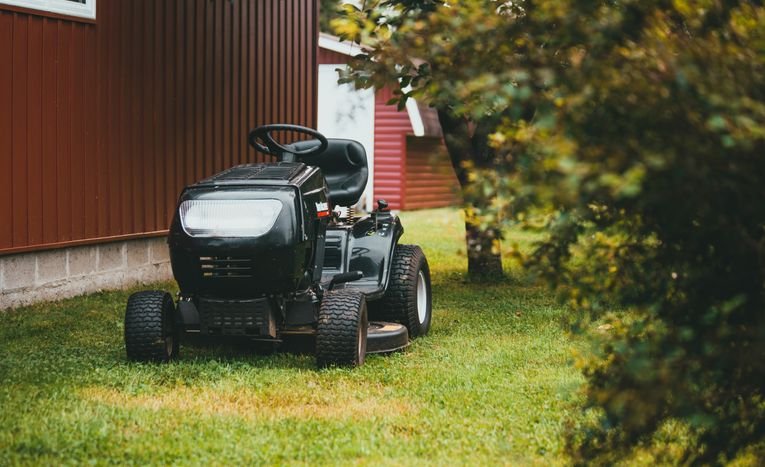
A robot lawn mower is a battery powered, self driving garden machine that cuts grass on a set schedule without a person pushing it. It navigates the lawn using either a buried perimeter wire or wire free technology such as satellite positioning and sensors, returns to its charging dock on its own, and leaves fine grass clippings on the lawn as natural mulch. For most UK gardens under 1,500 square metres, a mid range robot mower will maintain a neat, even lawn with almost no manual effort once it has been set up.
Interest in robotic gardening has grown quickly across the UK as homeowners look for ways to save weekend time and keep lawns in consistently good condition. This guide covers how robot lawn mowers work, the difference between wire and wire free models, what they cost to buy and run, and how to choose the right one for a British garden, including smaller plots, sloped lawns, and gardens shared with children or pets.
How Robot Lawn Mowers Work
Every robot mower follows the same basic principle. Instead of collecting cuttings in a bag, it mows little and often, usually several times a week, taking off only a few millimetres of grass at a time. This is called mulch mowing, and it feeds nutrients back into the soil while keeping the lawn dense and weed resistant.
Older and budget models rely on a thin perimeter wire buried or pinned around the edge of the lawn. The mower detects this wire and turns back when it reaches the boundary, in a similar way to how a Husqvarna Automower or early Robomow model operates. Newer wire free mowers, such as those using Segway Navimow’s satellite based mapping, instead build a virtual boundary using GPS and RTK positioning, so there is no cable to install or repair. Most modern robot mowers also include rain sensors that send the machine back to its dock during heavy rain, tilt sensors that stop the blades if the mower is lifted, and app based scheduling that lets the owner set mowing times from a phone.
Wire Versus Wire Free: Which Type Suits Your Garden
Choosing between a wired boundary and a wire free model is usually the first real decision a buyer has to make, and it depends heavily on garden shape and budget.
| Feature | Wire Boundary Mowers | Wire Free (GPS/RTK) Mowers |
|---|---|---|
| Setup | Wire laid or buried around lawn edges and beds, takes a few hours | Boundary mapped by walking the mower around the lawn once |
| Typical price (UK) | From around £300 for small gardens | From around £700, more for larger models |
| Best for | Simple, regularly shaped small to medium lawns | Complex shapes, multiple zones, larger or irregular gardens |
| Flexibility | Changing the lawn shape means moving the wire | Boundary can be edited instantly in the app |
| Accuracy near edges | Very precise along the wire line | Good, though may leave a small margin near flower beds |
As a general rule, a wire boundary model is the more affordable and dependable choice for a straightforward rectangular or gently curved lawn, while a wire free model earns its higher price on gardens with several separate lawn areas, narrow side passages, or awkward corners around patios and sheds.
Key Factors to Consider Before Buying
Beyond the wire or wire free decision, a handful of practical factors determine which robot mower will actually work well in a UK garden.
- Garden size and slope: Manufacturers rate each model by maximum lawn area and maximum incline. A mower rated for a 15 degree slope will struggle, or automatically avoid, anything steeper, which matters on the many gently terraced gardens found in the UK.
- Cutting width and height range: Wider cutting decks finish faster on large lawns, while an adjustable height range (commonly 20mm to 60mm) suits gardens that alternate between a tight formal cut and a slightly longer summer lawn.
- Battery life and charging: Entry level mowers may need two charging cycles to finish a larger lawn, while premium models mow for longer between visits to the dock.
- Noise level: Most robot mowers run at 55 to 65 decibels, quiet enough to operate overnight or early morning without disturbing neighbours, though it is worth checking any local noise guidance if running one very early.
- Safety sensors: Look for lift and tilt detection, obstacle sensors, and a PIN protected control panel, particularly important in gardens used by children or pets.
- Weatherproofing: UK weather means near constant exposure to rain, so an IPX4 rating or higher is worth prioritising.
What Do Robot Lawn Mowers Cost to Run in the UK
The purchase price is only part of the cost picture. A robot mower typically draws a small amount of electricity, comparable to charging a laptop repeatedly through the mowing season, which usually works out to a modest annual running cost even at current UK electricity prices. Ongoing costs to budget for include replacement cutting blades every few months, occasional wire repair kits for wired models, and winter storage or servicing. Against this, owners typically save the cost of a gardener’s mowing visit or the time spent mowing manually each week, which is often the deciding factor for buyers comparing long term value.
Getting the Best Results From a Robot Mower
A few habits make a noticeable difference to how well a robot mower performs on a British lawn.
- Set the mowing schedule for little and often passes rather than one long session, which keeps clippings small enough to mulch invisibly into the lawn.
- Raise the cutting height slightly during a dry summer to reduce stress on the grass.
- Clear fallen leaves and windfall fruit from the lawn in autumn, since large debris can block the blades or confuse sensors.
- Bring the mower in, or use a frost sensor if fitted, once temperatures regularly drop below freezing, as most lithium battery mowers are not designed to run through a hard UK winter.
- Check the charging contacts on the dock periodically, since a build up of dirt is one of the most common reasons a mower stops docking correctly.
Expert Insight
Groundskeepers who maintain both traditional and robotic mowing regimes commonly note that lawns cut by robot mowers develop a noticeably denser, more even sward within a season or two, simply because the grass is never left to grow long and stressed between cuts. The trade off is that a robot mower is a long term investment in a system, not a one off purchase, and it rewards owners who take a few minutes to review the app settings each season rather than leaving it fully unattended.
Frequently Asked Questions
Do robot lawn mowers work well in UK weather?
Yes. Most models sold in the UK are built to continue mowing in light rain and are rated to a recognised waterproofing standard. Heavy rain typically triggers the rain sensor to send the mower back to its dock until conditions improve.
Are robot lawn mowers safe around children and pets?
Modern robot mowers include lift sensors that stop the blades instantly if the machine is tilted or picked up, along with obstacle detection. Even so, most manufacturers recommend supervising young children and pets around the mower while it is operating, and a PIN locked control panel prevents the mower being restarted by a child.
How long does a robot lawn mower last?
With basic seasonal maintenance and blade replacement, a good quality robot mower typically lasts five to eight years, with the battery usually being the first major component to need replacing.
Can a robot lawn mower cut a sloped garden?
Most mid range and premium models are rated for slopes up to around 35 to 45 percent gradient, though this varies by manufacturer, so checking the specific incline rating against the steepest part of the garden is essential before buying.
Do robot lawn mowers need internet access?
Most rely on a mobile app connected over WiFi or a built in SIM for scheduling and GPS based models, though the mower itself can typically continue its existing schedule for a period if the connection briefly drops.
Final Thoughts
A robot lawn mower is no longer a novelty purchase. For UK homeowners who want a consistently tidy lawn without a weekly mowing chore, the combination of mulch mowing, app based scheduling, and improving wire free navigation makes robotic mowing genuinely practical for most garden shapes and sizes. The best results come from matching the mower’s rated garden size and slope to the actual lawn, rather than buying on price alone. For families weighing up other home robotics purchases, our guide to STEM robotics kits covers the same automation principles from a different angle. For our full coverage of robotics in the UK, see the robotics hub.
Further technical background on how boundary detection and mulch mowing work is available from the Wikipedia entry on robotic lawn mowers.