
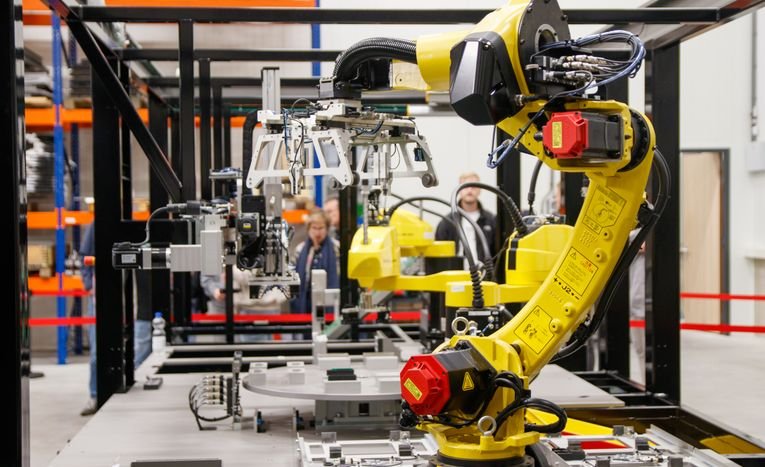
Robotics has moved well beyond factory floors and science fiction into everyday UK homes, gardens, and workplaces. From robot lawn mowers quietly maintaining the garden to industrial arms transforming manufacturing lines, robotics now touches consumer life, business operations, and childhood education alike. This hub brings together our complete coverage of robotics in the UK, organised by the areas where the technology is having the most practical impact right now, from buying decisions and safety considerations through to the legal and regulatory questions that are still being worked out.
Robotics in the Home and Garden
The most visible robotics adoption in the UK has happened inside and around the home, where robot mowers, vacuums, and pool cleaners have moved from novelty purchases to genuinely practical time-saving tools. Alongside the buying guides for each category, we also cover the practical ownership questions that come up once a robot mower or vacuum is actually part of the household: security and insurance, wildlife safety, battery care, and getting the neighbours onside.
- Robot Lawn Mowers UK: The Complete Buying Guide for 2026. How wire and wire-free navigation works, buying factors, and running costs for UK gardens.
- Robot Pool Cleaners: The Complete UK Buying Guide. Comparing robotic, suction, and pressure side pool cleaning.
- Robot Vacuum Cleaners: The Complete UK Buying Guide. Navigation technology, suction power, and pet-friendly features.
- Robot Lawn Mower Theft and Insurance: What UK Owners Need to Know. Theft risk, home insurance cover, and practical security steps.
- Robot Lawn Mowers and Hedgehog Safety: What UK Owners Need to Know. The research, design features, and scheduling steps that protect garden wildlife.
- Robot Vacuum and Mower Battery Fire Safety: What UK Owners Should Know. Lithium battery risks, safe charging habits, and what to do if you suspect a fault.
- Buying a Second-Hand Robot Lawn Mower: A UK Buyer’s Guide. Checking battery health, security, and account transfer before buying used.
- Robot Lawn Mower Noise Rules: What UK Owners Need to Know. Legal mowing hours and scheduling considerately for neighbours.
Robotics in UK Manufacturing and Industry
Beyond the home, robotics is reshaping how UK manufacturers and warehouses operate, with collaborative robots in particular opening automation up to smaller businesses that previously couldn’t justify the cost of a traditional, fully guarded robot cell. This section also covers the newer question of robots moving beyond the factory floor and onto public pavements, an area where UK law is still catching up with the technology already in use.
- Industrial Robotics: A UK Manufacturer’s Guide to Automation. Robot categories, cobots versus fixed robots, and building the investment case.
- Are Delivery Robots Legal on UK Pavements? The Current State of Play. The legal grey area, the proposed law change, and the pedestrian safety debate.
Robotics in Education
Robotics has also become a genuine part of how UK children learn STEM skills, both in school and at home, with kits ranging from screen-free toys for younger children to Raspberry Pi based builds for teenagers ready to move into more advanced coding and electronics.
- STEM Robotics Kits: A UK Parent’s Guide by Age Group. The best kits by age, and how robotics fits the UK computing curriculum.
What Ties These Areas Together
Whether it’s a lawn mower navigating a garden boundary, a warehouse robot sorting stock, or a child’s first coding robot, the underlying principles are strikingly consistent. Sensors gather data about the environment, navigation systems make decisions based on that data, and motors carry out the resulting action, all without constant human input. Understanding this shared foundation makes it easier to evaluate any robotics purchase, whether for the garden, the factory floor, or the classroom, and it also explains why the same safety and regulatory questions, around collision detection, data privacy, and public liability, keep reappearing across otherwise very different categories of robot.
As robotics adoption grows across UK homes and businesses, we’ll keep expanding this hub with new buying guides, safety research, and coverage of how UK law continues to adapt to autonomous devices operating in public and private spaces alike.